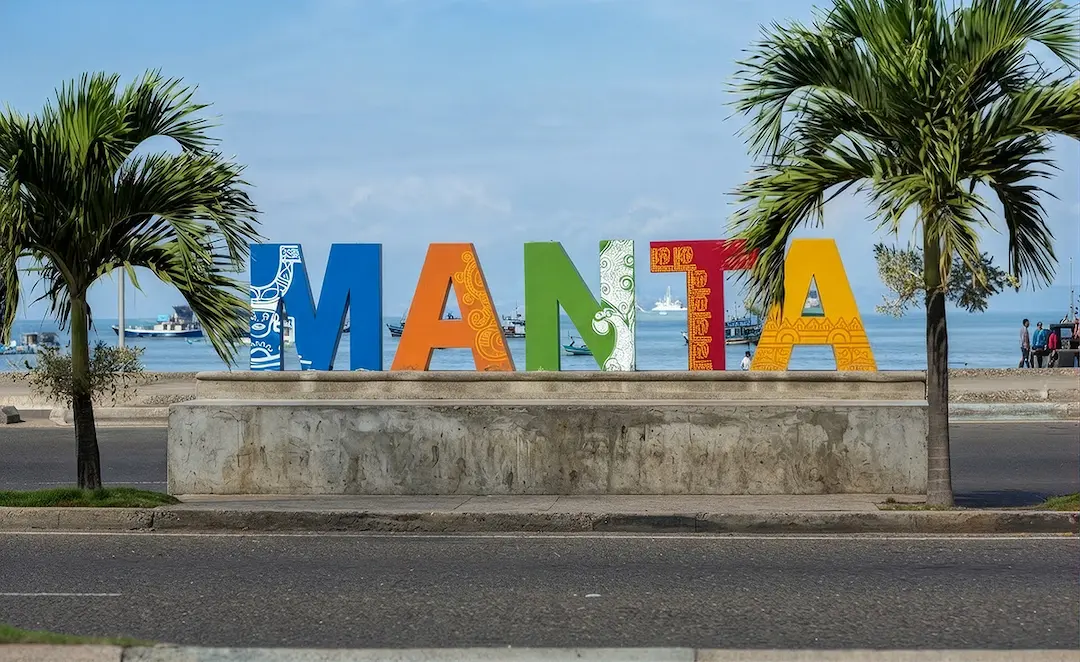
Most people reach Manta for one of three reasons: a cruise ship docked for the day, a stopover between Quito and the beaches further south, or a work trip with an afternoon free. All three give you roughly twenty-four hours. So if you’re figuring out what to do in Manta Ecuador with that limited time, the key is not to waste a single minute on overrated tourist traps – and instead hit the fish market at dawn, the hat weavers in Montecristi, the sand at Playa Murciélago, and a cold beer at sunset from a rooftop.
That is enough. Manta is a working port rather than a resort town, which means the interesting parts are compact and the tourist infrastructure is thin. Here is how to use the day, written by people who live here.
Morning · the port waking up
07:00 — Playita Mía fish market
The boats unload at dawn and the market is at full speed by seven. Tuna, wahoo, dorado, shrimp, and a lot of shouting. Several stalls will cook what you buy. It is loud, wet underfoot and completely genuine — the single most memorable hour in the city if you do not mind the smell of fish.
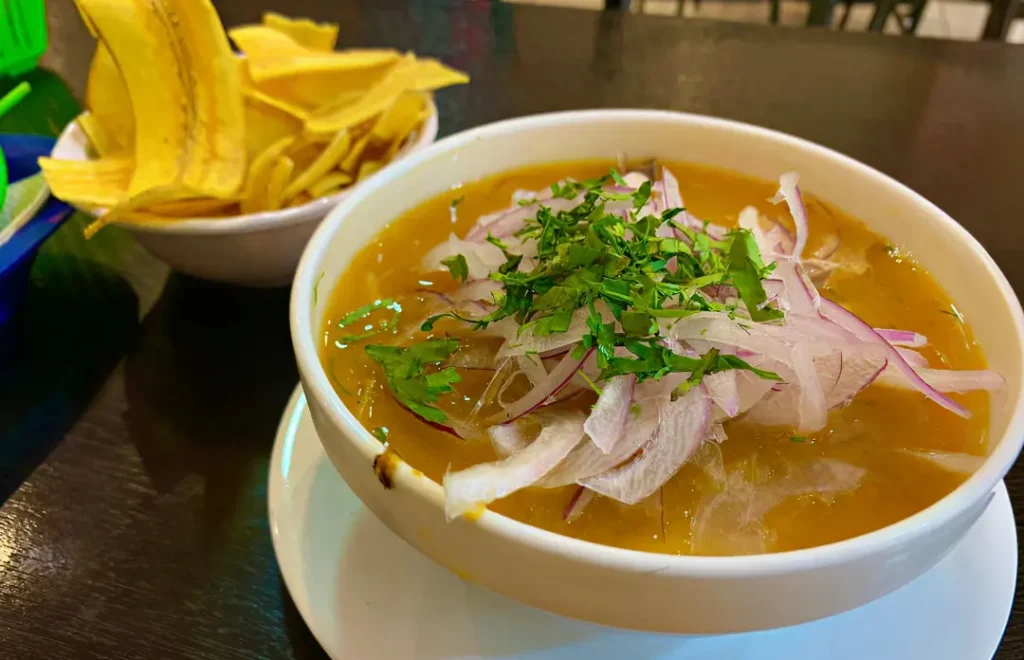
08:30 — breakfast the coastal way
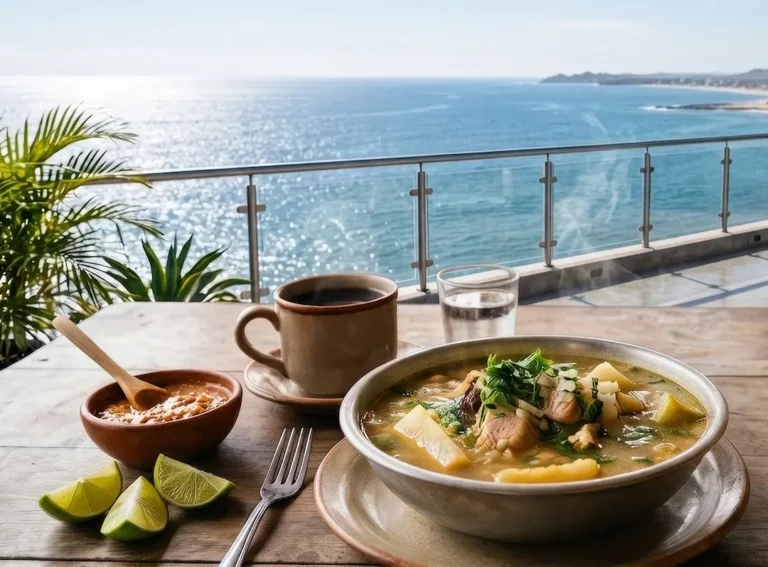
Encebollado, the tuna and yuca soup, is what people actually eat in the morning here. So is ceviche. Both cost $6 to $9 near the market. If neither appeals, a bolón — fried green plantain with cheese — is the safe option at around $3.
Mid-morning · Montecristi
Twenty minutes inland is Montecristi, where the Panama hat comes from. The name is a historical accident: the hats were shipped through Panama, but they have always been woven in Ecuador, and the finest of them here.

- What a real one costs. A tourist-grade hat is $20 to $40. A genuine fino weave starts around $150 and goes past $800. The difference is visible if you hold them side by side against light.
- How to tell. Count the rings in the crown. Finer weave, more rings, more months of work.
- Also there. Ciudad Alfaro, the mausoleum complex for Eloy Alfaro, with views over the valley. Worth an hour.
A taxi from Manta is around $10 to $15 each way, or you can negotiate a round trip with waiting time for $30 to $40.
Afternoon · the beach
Playa Murciélago is the city beach — long, walkable and lined with places to eat. It is not the prettiest beach in Ecuador and nobody in Manta would claim otherwise, but it is a five-minute drive from anywhere in the city.
If you have a car and want better sand, Santa Marianita is twenty-five minutes south and is the kite-surfing beach, consistently windy from June to November. San Mateo, the fishing village north, is quieter and more photogenic than either.
Guests come with a list of eight things and get through four. Manta is not a place you tick off. Pick the market, pick Montecristi, and leave the afternoon loose — the coast decides the pace, not the itinerary.
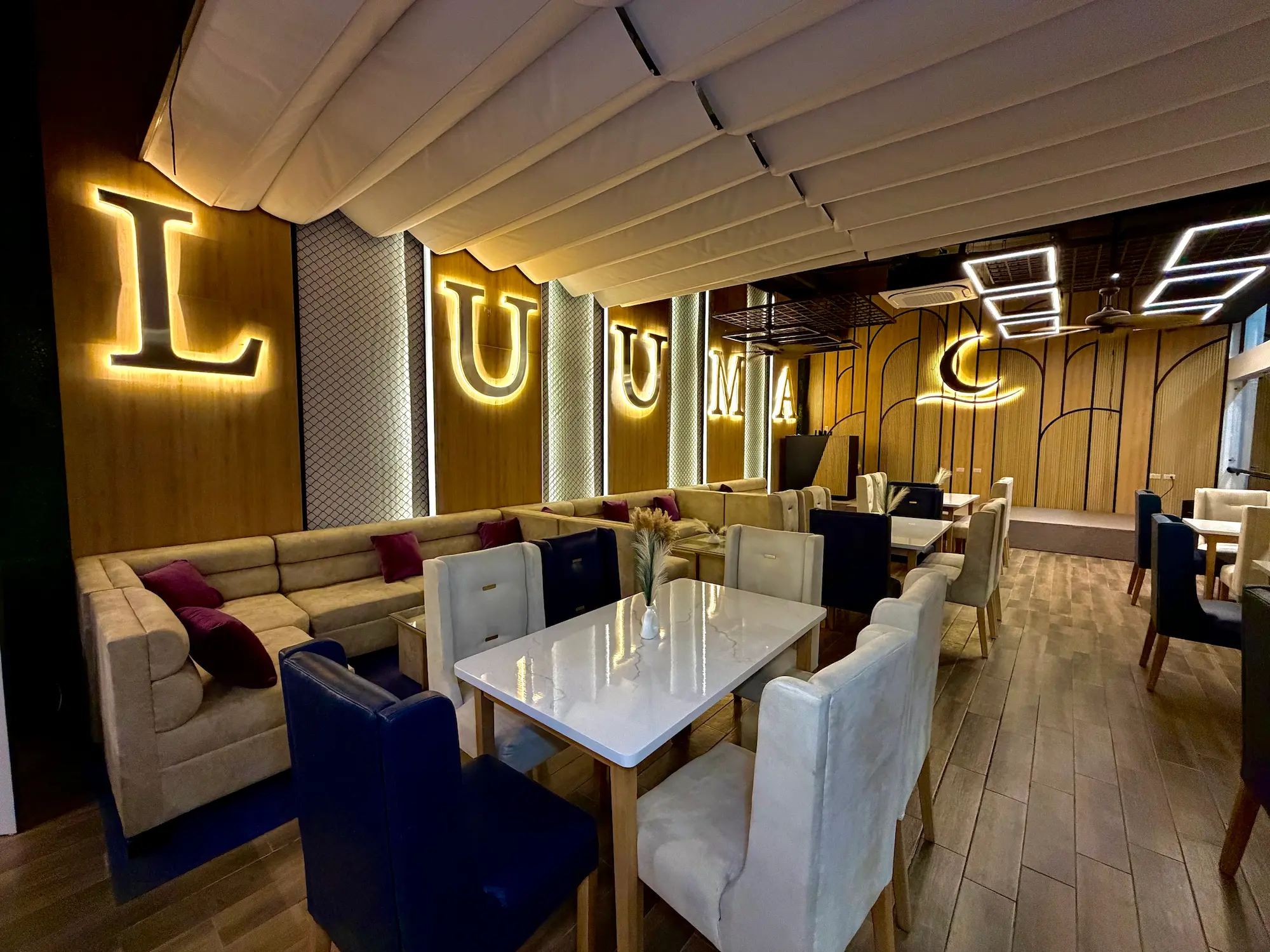
Equipo de Luuma Rooftop
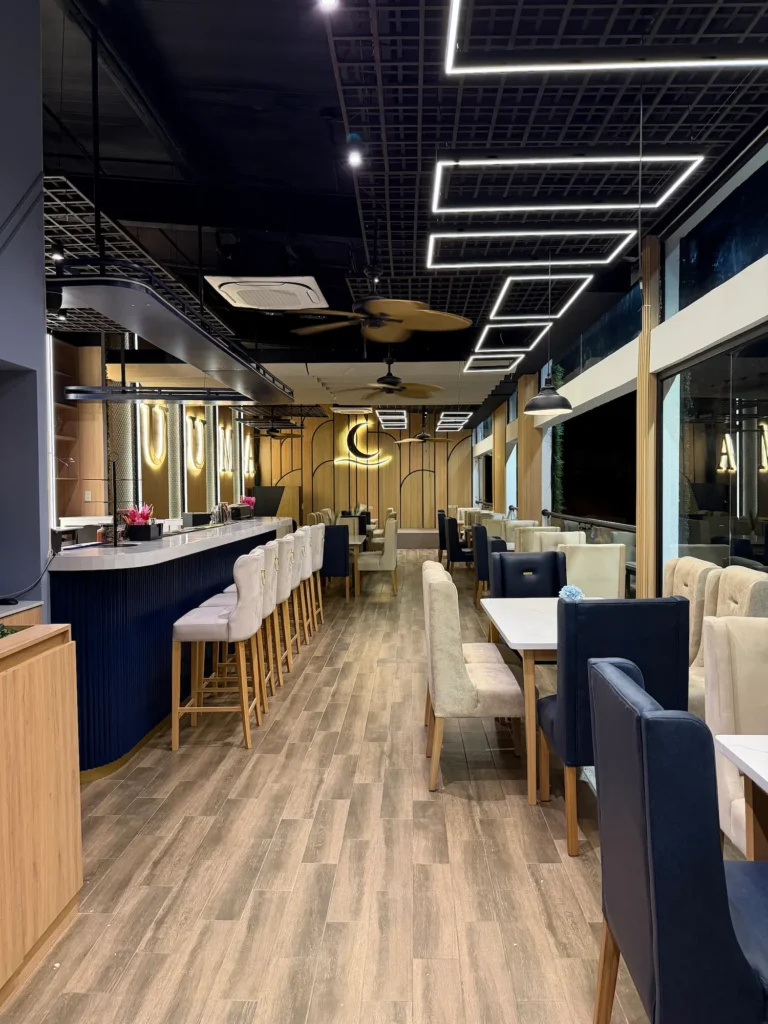
Evening · sunset, and it is punctual
Ecuador is on the equator, so the sun sets between 18:15 and 18:40 every day of the year. Unlike almost anywhere else, you can plan a sunset months in advance and be right.
La Quadra, the restaurant district near Playa Murciélago, is where the rooftops are. Arrive by 17:45 for a rail table. Cocktails run $8,50 to $13,60 — a classic mojito is $9,20 and a caipirinha $8,90 on our own drinks list.
For dinner afterwards, the local dishes worth ordering are viche at $9,80 or the grilled catch of the day. Beef cuts run $17,60 to $21,95 if you have been eating fish all week. The full menu opens at 16:00.
What to eat, and when
The coastal eating schedule surprises visitors. Ceviche is a morning dish here, eaten between eight and eleven when the fish came in at dawn. Almuerzo, the set lunch of soup, main and juice, runs from eleven to three and costs $4 to $9 depending on the neighbourhood. Dinner starts late by North American standards — nobody eats before seven — and kitchens close around ten.
The dishes that are actually from Manabí, rather than from Ecuador generally, are worth seeking out: viche, a peanut and seafood soup with green plantain; tonga, chicken and rice steamed in a banana leaf; and corviche, a fried plantain fritter stuffed with fish that costs a dollar from a street cart and is one of the best things on this coast.
One warning about seafood pricing. Fish is genuinely cheap here because Manta is the largest tuna port on South America’s Pacific coast — grilled wahoo or albacora runs $8,90 as an everyday lunch. If somewhere on the beach quotes you $25 for a fish plate, you are paying a tourist premium, not a quality premium.
Two things we would skip
- The shopping malls. They come up in every list of things to do in Manta and they are the same malls as everywhere else. You did not fly here for a food court.
- Whale-watching booked from Manta between October and May. The season runs June to September only. Outside those months, tours advertised to tourists are going out to sea to find nothing.
Getting around, and what it costs
Manta is not a walking city outside the beach strip. Taxis are cheap and plentiful, and the only rule worth following is to agree the price before getting in, since meters are rarely used.
| Trip | Cost | Time |
|---|---|---|
| Cruise port to the beach | $3 – $5 | 8 min |
| Anywhere in the city | $2 – $4 | 5–15 min |
| Manta to Montecristi | $10 – $15 | 20 min |
| Manta to Santa Marianita | $12 – $18 | 25 min |
| Manta to Puerto López | $60 – $80 | 1 h 45 |
A full day of the itinerary above — market breakfast, Montecristi round trip, beach afternoon, sunset drinks and dinner — comes to roughly $85 to $120 per person including transport. Cutting Montecristi brings it under $60.
If you have a second day
- Puerto López and Isla de la Plata — the budget Galápagos, two hours south, with boobies and frigatebirds.
- Los Frailes beach in Machalilla National Park, the best beach on Ecuador’s mainland coast, no development at all.
- The Ruta del Spondylus south, stopping at fishing villages and surf towns as far as Ayampe.
Preguntas frecuentes
Is Manta safe for tourists?
The beach areas, La Quadra and the malecón are fine during the day and in the evening. As in any port city, avoid deserted areas late at night and use registered taxis or an app rather than flagging cars down.
Do I need cash?
For the market, taxis and street food, yes — small bills. Restaurants and hotels take cards. Ecuador uses the US dollar, so there is no exchange to worry about.
How do I get from the cruise terminal to the city?
The port is in the city. A taxi to the beach or La Quadra is $3 to $5 and takes under ten minutes.
Is one day enough?
For Manta itself, yes. If you want the national park and the beaches south, you need at least two more.
Docking for the day or passing through? Message us on WhatsApp and we will tell you the sunset time for that exact date.