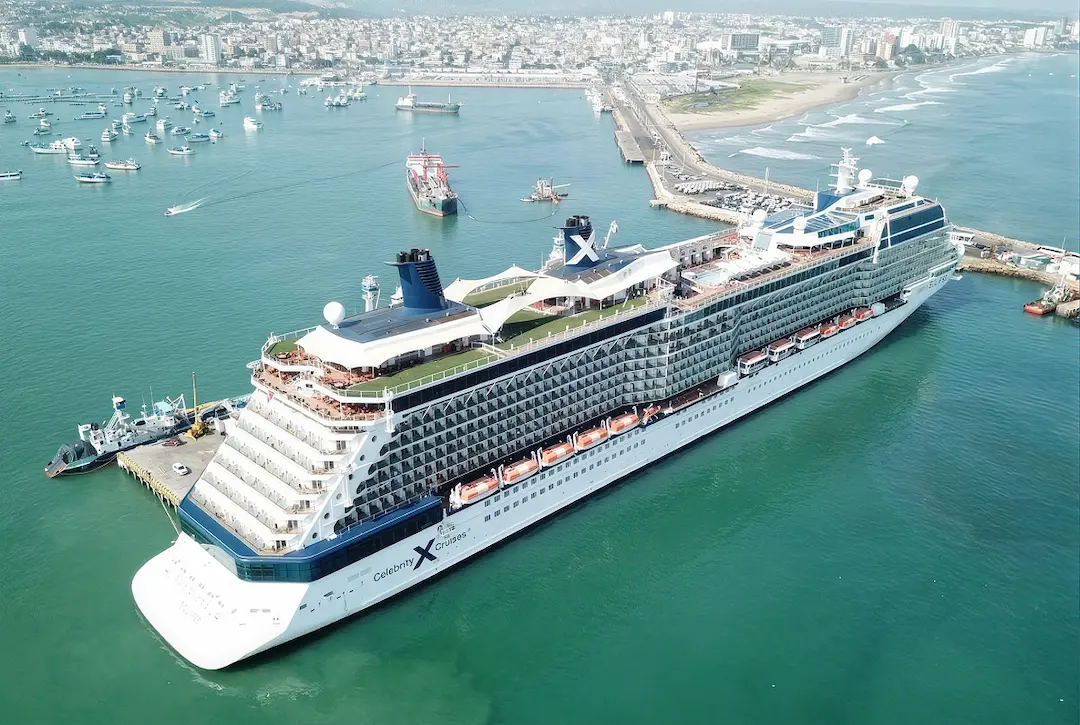
Your ship docks in Manta for one day — and the difference between a forgettable port stop and the best day of the cruise is knowing exactly where to spend your hours. This is the honest local guide: what’s walkable, what’s worth a taxi, where to eat like the fleet eats, and how to time your return so the only thing you miss is the buffet lunch.
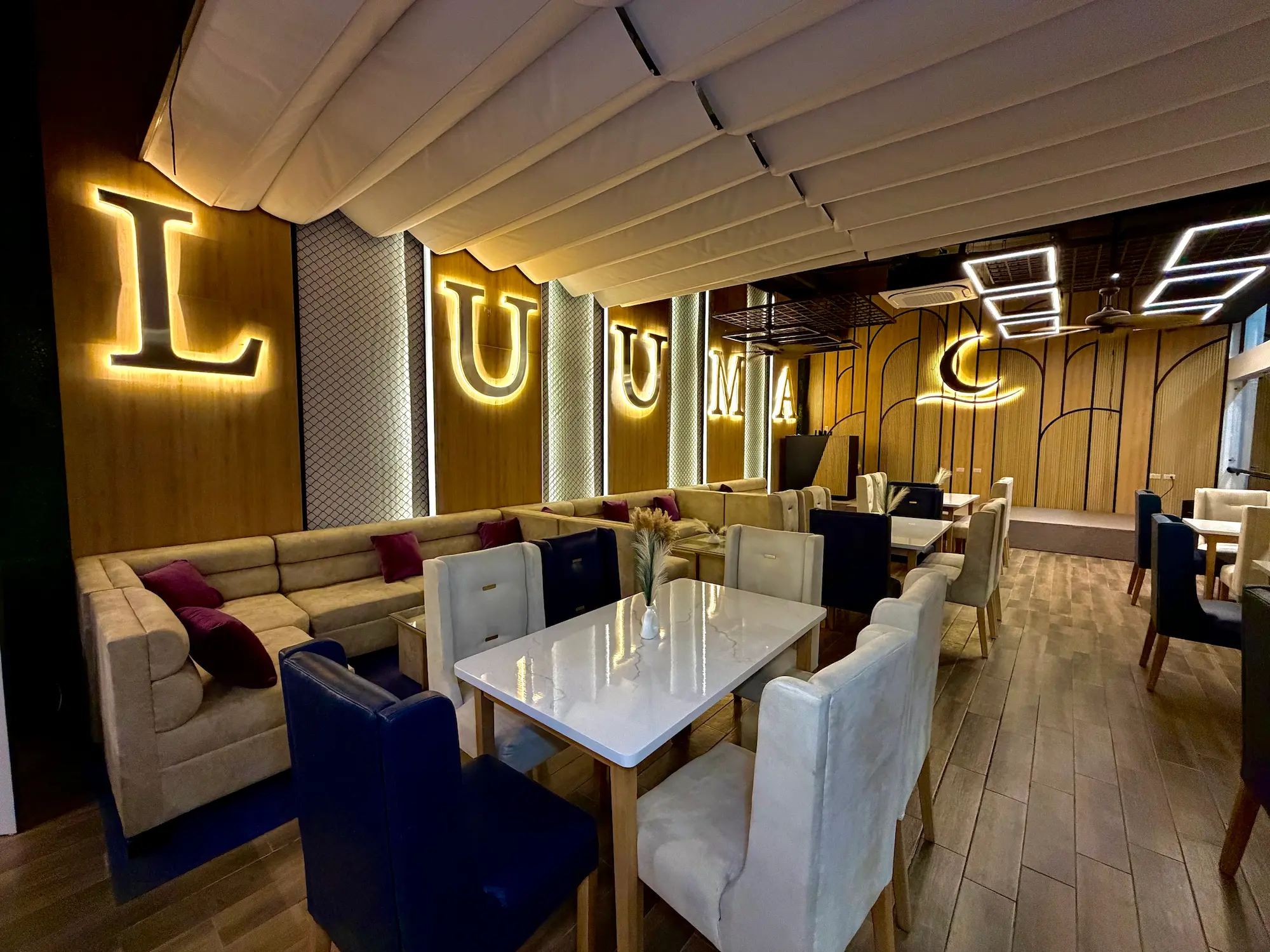
Credentials, briefly: we run a rooftop restaurant up the hill from the port, we watch the ships come in, and we’ve sent hundreds of crew and passengers home with hat boxes and full stomachs. What follows is what we tell friends.
First, orient yourself: the lay of the land
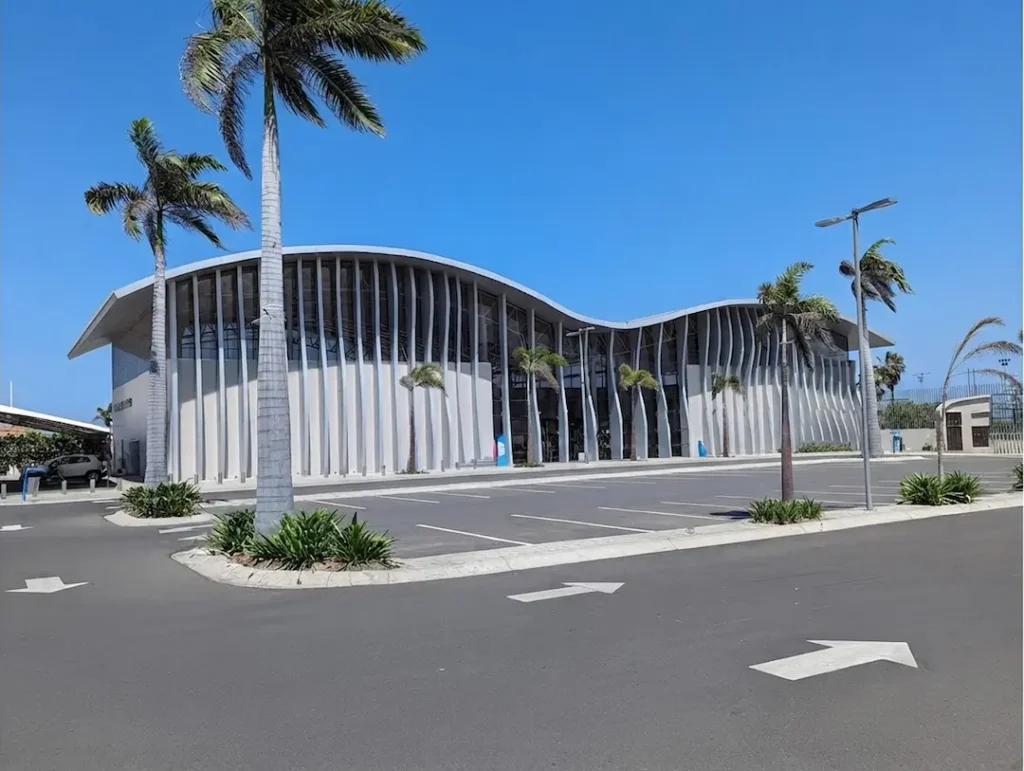
Manta is a real working city — Ecuador’s tuna capital — not a purpose-built cruise stop, and that’s precisely its charm. From the cruise berth, the Malecón and Playa Murciélago (the main city beach) are a short taxi hop; the restaurant-and-bar strip of Avenida Flavio Reyes sits on the hill above; and the legendary hat-weaving town of Montecristi is 30–40 minutes inland. Ecuador uses the US dollar, so there’s no currency exchange, and taxis are plentiful and cheap by North American standards — agree on the fare before you ride.
Three itineraries, by energy level
| Plan | Hours needed | The moves |
|---|---|---|
| The Easy Loop | 3–4 | Taxi to Playa Murciélago → beach time → walk the Malecón → seafood lunch → taxi back |
| The Hat Pilgrimage | 5–6 | Taxi to Montecristi → weaving workshops + Ciudad Alfaro museum → back for a late seafood lunch near the beach |
| The Full Manta | 7–8 | Montecristi in the morning → lunch in Tarqui with the locals → beach hour → sunset cocktail on a rooftop if your all-aboard allows |
The golden rule of every plan: work backwards from all-aboard time and leave a 90-minute buffer. Manta traffic is mild, but a missed ship makes for an expensive story.
The Montecristi question, answered honestly
Here’s the thing your shore-excursion brochure may undersell: the so-called «Panama hat» was born in Montecristi, Ecuador — the name is a shipping-route accident from canal days. Watching a weaver work split toquilla straw in the half-light is the single most memorable thing within an hour of this port, and buying at the source means better hats and better prices than any cruise-terminal gift shop. If you buy one thing in Ecuador, buy it there — and ask them to show you a genuine superfino against the light. You’ll understand luxury differently afterward.
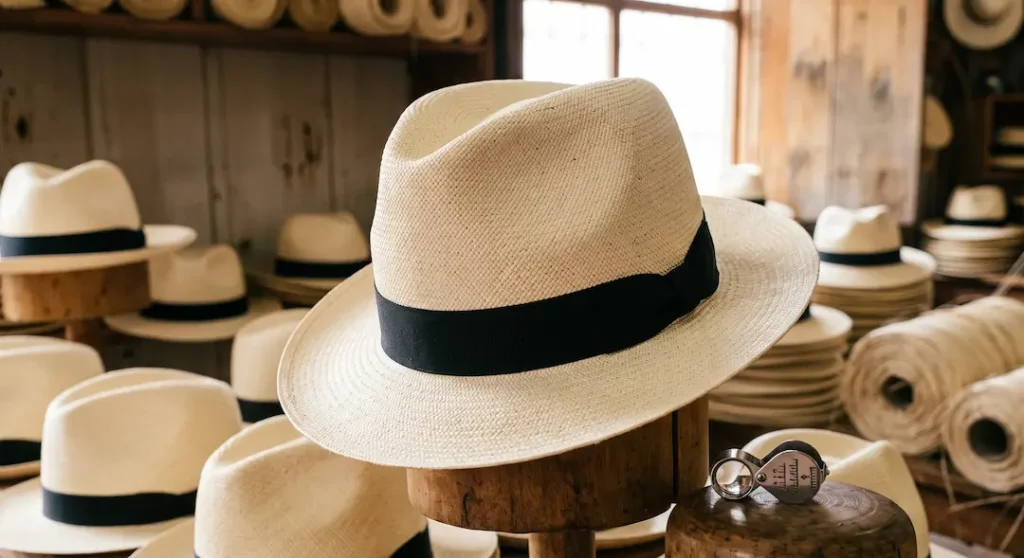
Cruise passengers walk in asking for a $20 Panama hat and walk out having watched a woman weave for an hour. Most come back to thank us for the tip — some come back wearing the hat.
The Luuma floor team
A 30-second history of why this port matters
Manta has been a seafaring town since pre-Inca times — the Manteño culture that gave the city its name sailed balsa rafts along this coast centuries before Europeans arrived, trading spondylus shells as far as Mexico. Today it runs one of the largest tuna fleets in the eastern Pacific, which is why your lunch here is non-negotiable and why the city feels like a real place with a real economy rather than a stage set. Cruise tourism is the guest here, not the landlord — and that’s exactly what makes a day ashore feel like travel instead of shopping.
Where to eat: skip the tourist traps
- Tarqui’s seafood stalls: where the fishing fleet actually eats — ceviche and fried fish at prices that feel like typos; lunchtime only, cash, zero frills
- The Malecón restaurants: mid-range comfort with ocean views, cards accepted — the sensible middle path
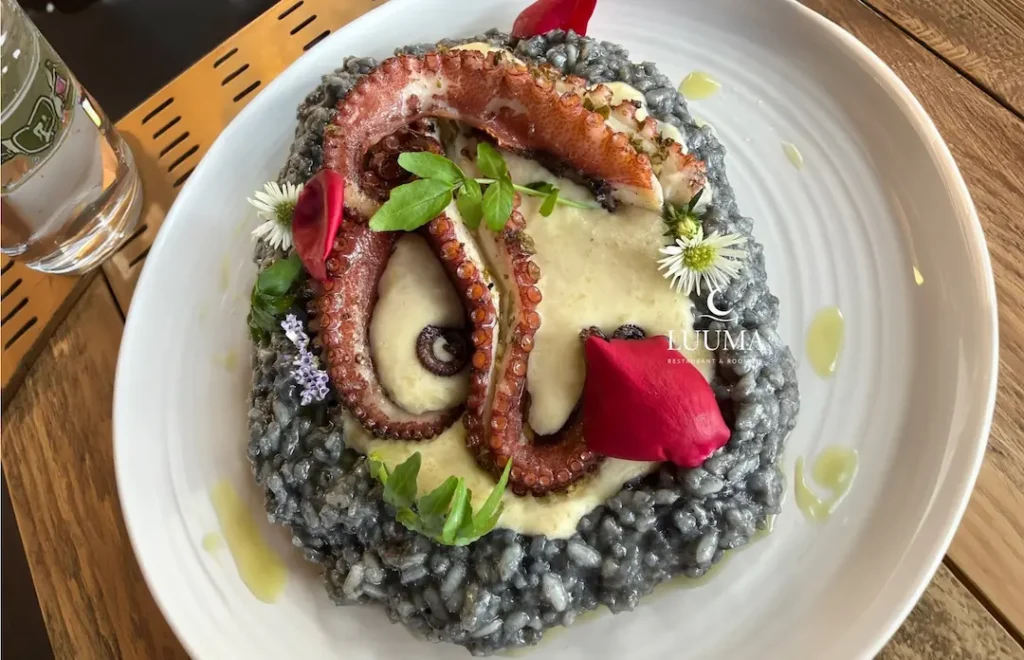
- Barbasquillo and La Quadra: the town’s premier dining district and rooftops, ours included — worth it if your schedule allows a relaxed sit-down
- The one rule: eat seafood. You’re standing in the port that supplies half the continent’s tuna — ordering chicken here is a small tragedy
If your all-aboard is late: the sunset bonus
Ships that sail after 19:00 hand you Manta’s best free show: the sun drops into the Pacific between 6:15 and 6:45 p.m. year-round — equator privileges. The rooftops on the hill put you above the rooflines with a cocktail in hand; our own signature list runs $9.85–$13.80 and the west rail is the seat to ask for. It’s a ten-minute taxi back to the port from here, but check our full rooftop guide for hours and details before you commit your buffer time.
Practical notes from the locals
- Money: US dollars, small bills. Cards work at sit-down restaurants and malls; stalls and taxis are cash country
- Safety: the visitor corridor — Malecón, Murciélago, Flavio Reyes — is busy and easygoing by day; usual port-city common sense applies
- Language: Spanish first; tourist-facing spots manage basic English, and pointing at ceviche is a universal language
- Weather: warm year-round; June–November brings grey mornings that burn off — pack the light layer, skip the umbrella
- Tipping: sit-down restaurants usually include a 10% service charge — check the bill before adding more
FAQ: Manta cruise stop
Is Manta walkable from the cruise terminal?
The port itself is industrial — take the short taxi to the Malecón rather than walking out of the gate. Once you’re at the beachfront, everything in the Easy Loop is comfortably on foot.
Can I do beach AND Montecristi in one stop?
With 7+ hours ashore, comfortably — that’s the Full Manta plan above. With 5 or less, choose one and do it well: a rushed hat workshop and a 20-minute beach stop add up to neither. Our tiebreaker: if you’ll ever return to a beach in your life, pick Montecristi — there is exactly one place on Earth where these hats are born.
Do I need a ship excursion for Montecristi?
No — an independent taxi does it easily, and any driver knows the way. The ship tour buys convenience and a guaranteed return time; the taxi buys freedom and workshop time. Both work; just negotiate the round trip and waiting time up front if you go independent.
What’s the one dish I shouldn’t leave without trying?
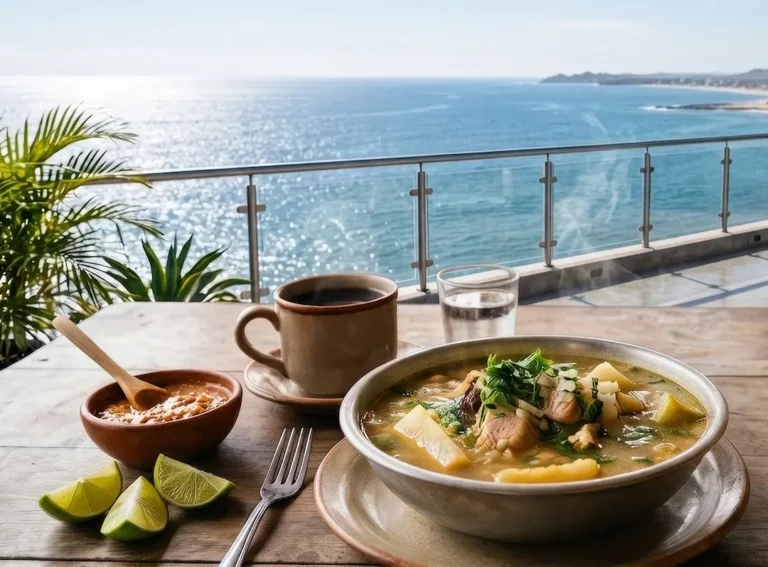
Ceviche made with the morning’s tuna — this port’s specialty by birthright. Runner-up: encebollado, Ecuador’s beloved fish-and-yuca soup, a lunchtime institution the locals will be proud you tried.
What souvenirs are actually worth suitcase space?
Three that pass the six-months-later test: the Montecristi hat (the real one), a bag of sal prieta — Manabí’s toasted peanut-corn seasoning that survives any flight — and Ecuadorian coffee or cacao from a proper shop, not the terminal. Skip the mass-produced trinkets; this province makes real things.
Is there Wi-Fi or cell service for visitors?
Restaurants and malls generally have Wi-Fi for customers; coverage in town is solid. If you’re navigating by phone, download the offline map before leaving the ship — port Wi-Fi queues are their own cruise tradition.
Come see us on the hill
If your day allows a proper sit-down with the Pacific in view, message us on WhatsApp and we’ll hold a table — and point you to the best hat man in Montecristi while we’re at it.